
CURRENT PROJECTS OF THE ICCH
Cognitive assessment
Cognitive assessment refers to the use of tests and measures to evaluate cognitive functioning in individuals. These assessments can be used to assess a wide range of cognitive abilities, including attention, memory, processing speed, and executive function. The ICCH is committed with the development and validation of cognitive assessment tools based on new technologies.
Cognitive evaluation is a crucial tool in identifying any potential cognitive impairments. It allows for the identification of cognitive strengths and weaknesses which can impact daily functioning and quality of life. Cognitive assessment is important for diagnosis and treatment planning for conditions such as dementia and brain injury, as well as for assessing cognitive decline in aging individuals.
One of the main advantages of computerized cognitive assessment is the ability to administer tests in a standardized and controlled manner. This ensures that all individuals are tested under the same conditions and minimizes the impact of extraneous variables on test performance. Additionally, computerized tests can be administered more quickly and efficiently than traditional paper-and-pencil tests, making them a practical choice for researchers and clinicians.
Computerized cognitive assessment has been widely adopted in research and clinical settings. It is a valuable tool for assessing cognitive functioning and can provide important insights into the cognitive abilities of individuals. The ICCH is leading projects aimed at reducing potential biases in the design and administration of the cognitive tests, focusing on the creation of culturally-sensitive tools that are accessible to individuals with disabilities to accurately reflect the cognitive abilities of the entire population.
Neurodegeneration and aging
Neurodegeneration is a term used to describe the gradual loss of function and structure of neurons, leading to impaired brain function. There are two main types of neurodegeneration: pathological and non-pathological. Pathological neurodegeneration is characterized by the presence of abnormal protein aggregates or lesions within the brain, often related to diseases such as some types of dementia, Alzheimer’s disease or Parkinson’s disease. The ICCH is conducting research on the relationship between cognitive reserve and neurodegenerative disorders with the aim of offering adequate evaluation and intervention tools.
Non-pathological neurodegeneration, on the other hand, is a normal process that occurs with aging and is not associated with any specific disease. As we age, the number and function of neurons gradually decline, leading to a decline in cognitive abilities such as memory and processing speed. However, the rate of neurodegeneration varies greatly between individuals and can be influenced by genetics, lifestyle factors, and environmental exposures. There is currently no final solution for neurodegeneration, but there are some treatments available that can slow its progression and improve symptoms of aging. The ICCH is conducting ongoing research to better understand the underlying causes of cognitive decline and to develop new interventions.
Engaging in cognitively stimulating activities such as socializing or computerized cognitive trainings can help prevent or delay cognitive decline in the elderly. This is because these activities stimulate and challenge the brain, which can help maintain neural connections and improve brain function. In addition, participating in these activities can also help partially reduce the risk of developing age-related conditions such as dementia. The ICCH is committed to develop tools that assess and enhance cognitive reserve in pathological and non-pathological neurodegenerative processes.
Brain fog
Brain fog, also known as cognitive fatigue, is a common symptom experienced by individuals with chronic illness or those undergoing chemotherapy. It refers to a decreased ability to think clearly and concentrate, leading to difficulties with memory, decision making, and problem solving.
The exact cause of brain fog is not fully understood, but it is thought to be related to inflammation, hormonal imbalances, and changes in brain chemistry. In the case of chemotherapy, brain fog is often referred to as chemo-fog and is believed to be a result of the chemotherapy drugs disrupting normal brain function.
Infective diseases such as COVID-19 can also lead to brain fog among their post-acute sequelae (PASC). Cognitive training, including activities like memory exercises and problem-solving tasks, may help improve brain function and alleviate some of the cognitive difficulties associated with post-acute COVID-19. It is important for individuals experiencing brain fog to seek medical attention and work with a healthcare professional to develop a treatment plan that may include cognitive training, and the ICCH is conducting research and developing tools at this regard.
While there is no known complete solution for brain fog, research suggests that cognitive training may be an effective way to reduce the symptoms. While the evidence for the effectiveness of cognitive training in reducing brain fog is still limited, the ICCH has several ongoing projects aimed at validating that it is a promising approach that is worth considering for individuals experiencing cognitive fatigue.
Learning and academic success
Learning is the process of acquiring new knowledge, skills, and behaviors through experience and education. Academic achievement refers to the level of success in academic pursuits, such as grades and standardized test scores. Cognition, as the mental process of acquiring, processing, and using information, has a direct impact on learning and academic success. Cognitive interventions can boost these processes by improving cognitive flexibility, executive function, and overall mental health.
Many of the ICCH’s ongoing projects focus on reading. Reading involves the use of various cognitive processes, including attention, memory, and comprehension. Engaging in regular reading has been shown to improve cognitive function and brain plasticity. Cognitive training, such as reading comprehension exercises, can further enhance these cognitive skills and improve reading ability. By strengthening these cognitive processes, readers can more effectively process and retain information, leading to improved learning and performance.
Besides, the ICCH also develops projects about language learning. Multilingualism has been shown to have a positive impact on cognition, with studies indicating that bilingual individuals tend to have higher levels of executive function and better problem-solving skills. Cognitive stimulation, such as engaging in activities that challenge the brain, can further enhance language learning. Therefore, incorporating cognitive stimulation into language learning can improve language acquisition and cognitive function.
Early care
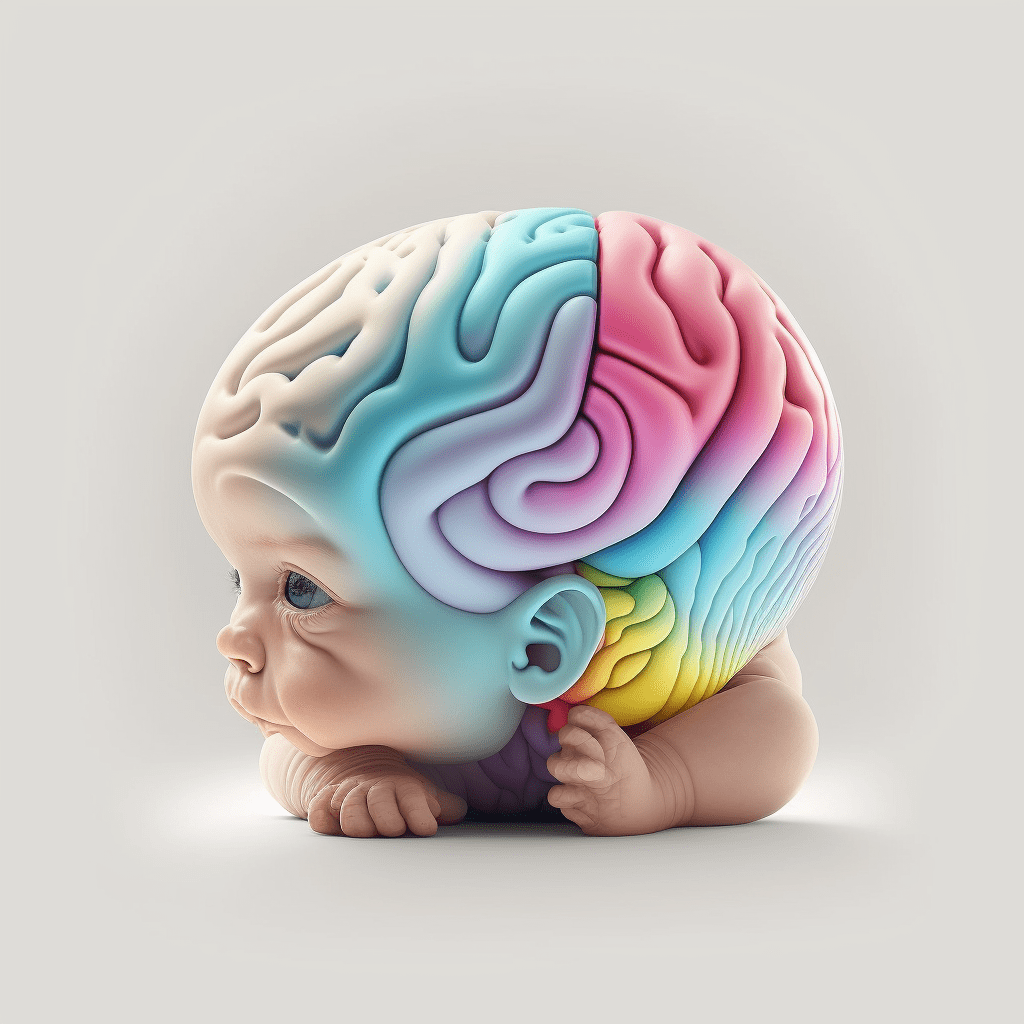
The first few weeks and months of a newborn’s life are crucial for proper brain development and overall cognition. One of the main factors influencing cognitive development in newborns is the quality of care they receive. This includes proper nutrition, consistent feeding patterns, and a stimulating environment. The ICCH has partnered with early attention and healthcare units and their research teams to develop cognitive assessment and intervention methods for newborns.
Pre-term infants are particularly vulnerable to cognitive problems due, among many other factors, to their smaller size and limited ability to regulate their body temperature and metabolism. Therefore, it is important for pre-term newborns to receive specialized care in a neonatal intensive care units with the help of early attention teams to ensure their basic needs are met.
Pre-term infants also have a higher risk of experiencing complications such as infections, which can further impact their cognitive development. In addition, pre-term infants may have difficulty with sensory processing and regulation, leading to problems with attention and arousal. These issues can affect their ability to interact with their environment and may lead to developmental delays.
Cognitive assessment and intervention is essential as part of early care during the first few years of life. Pre-term babies or those born with some disabilities may be at a higher risk of cognitive problems. Early care, including physical and cognitive stimulation, can help to support the development of the brain and improve cognitive outcomes for pre-term babies and for babies born with certain disabilities. Consistent stimulation can potentially reduce the risk of cognitive delays, and the ICCH is conducting research in this line.
Driving and safety on the road
Driving skills refer to the set of abilities needed to operate a motor vehicle safely and effectively. It is well established that cognition plays a significant role in driving skills, and the ICCH has several ongoing projects aimed at understanding the underlying cognitive mechanisms involved in safe and effective driving, exploring different ways to support and enhance these mechanisms with an adequate cognitive intervention for profesional and non-professional drivers.
Neurocognitive diseases, such as some forms of dementia, can significantly impair cognitive function, leading to problems with driving. These diseases can affect memory, attention, and decision-making, which are essential for safe driving. For example, a person with dementia may struggle to remember the rules of the road or may have difficulty paying attention to their surroundings while driving. The ICCH contributes to this field of investigation with research lines assessing and training driving skills in persons with certain neurodegenerative conditions.
Cognitive training can enhance driving skills in both professional and non-professional drivers. This type of training involves exercises designed to improve cognitive function, such as memory, attention, and problem-solving. For professional drivers, cognitive training can help improve performance on the job, leading to increased safety and efficiency. For non-professional drivers, cognitive training can help improve driving skills and reduce the risk of accidents.
Drivers with impaired cognitive function are more likely to make mistakes and be involved in accidents. Therefore, it is important for drivers to maintain healthy cognitive function and consider cognitive training to improve their driving skills. This is especially important for professional drivers, as their job requires them to operate heavy machinery and transport goods or passengers safely. By focusing on cognitive health and training, drivers can improve their skills and reduce the risk of accidents, leading to a safer road for everyone. The ICCH has developed partnerships with different leading companies in the sector.
Sleep hygiene and sleep problems
Sleep is a natural, periodic state of rest characterized by the absence of consciousness and the inactivity of nearly all voluntary muscles. Despite their apparent dissimilarity, cognition and sleep are intimately related. Sleep is an essential physiological process that is necessary for optimal cognitive functioning. Poor sleep habits and sleep problems, such as insomnia or sleep apnea, can negatively impact cognitive performance, including memory, attention, and decision-making. The ICCH has different ongoing research projects aimed at exploring the impact of sleep habits in cognition, and more importantly, at investigating how cognitive training could help persons with sleep-related problems reduce their symptoms.
Sleep deprivation and poor sleep hygiene can have a significant impact on cognitive skills and daily functioning. A lack of sleep can impair attention, memory, problem-solving, and decision-making abilities. This can lead to difficulties in learning and adapting to new situations. Moreover, poor sleep can contribute to decreased productivity, increased error rate, and increased risk of accidents in various occupational settings.
Insomnia, a common sleep disorder characterized by difficulty falling or staying asleep, is particularly detrimental to cognition. Insomnia can lead to increased risk of developing cognitive impairments, including memory and attention problems. Additionally, insomnia can exacerbate existing mental health issues such as anxiety and depression. Cognitive training can help mitigate the negative influence of poor sleep habits and sleep-related medical conditions on cognition. Studies have shown that cognitive training can improve sleep quality and reduce insomnia symptoms in older adults.
Being aware that poor sleep hygiene and sleep disorders such as insomnia can have a negative impact on cognitive skills and daily functioning, the ICCH has several active lines of research with different medical institutions and research teams in this line.
Sports and physical exercise
Physical exercise has long been known to have a positive effect on cognitive function. Studies have shown that regular physical activity can improve several cognitive skills. This is thought to be due to the effect of exercise on the brain, which increases blood flow, oxygenation, and the release of various neurotransmitters and growth factors that are important for brain function.
One way in which physical exercise can improve cognition is by increasing the volume of certain brain regions that are important for cognitive function. In addition to the structural changes in the brain, physical exercise also has a number of other cognitive benefits. For example, it has been shown to reduce the risk of developing age-related cognitive decline, as well as improving mood and reducing stress and anxiety. The ICCH is leading different lines of research to explore the intrinsic relationship between physical training and cognitive reserve, and to investigate the effects of cognitive training in professional and non-professional athletes.
Cognitive training can also be an important tool for sportsmen and athletes, as it can help to improve performance by increasing mental flexibility, decision-making, and problem-solving skills. By engaging in these types of activities, athletes can improve their mental skills, which can help them to make better decisions and respond more quickly on the field or court.
Overall, it is clear that physical exercise and cognitive training can have a number of benefits for cognitive function and performance in sports. The ICCH is conducting research to fully understand the mechanisms underlying these effects, and to understand the bidirectional relationship between cognitive training and physical training.
 International Chair in Cognitive Health